



2kW Solar System Price in Chennai, with the ₹60,000 Subsidy
2 kW for about ₹80,000 to ₹1 lakh after the ₹60,000 subsidy. Installed about ₹1.4 to ₹1.6 lakh.
A 2 kW system suits a smaller Chennai home: a one or two bedroom house, or a family whose bill sits in the lower slabs. Blues Renewables installs from 3 kW, and for most of these homes 3 kW is the better buy: the central and Tamil Nadu subsidies together return ₹1,00,000 at 3 kW against ₹70,000 at 2 kW, so after subsidy a 3 kW system costs only about ₹20,000 to ₹40,000 more than 2 kW, for half as much generation again.
This page sets out what 2 kW costs, what it produces on a Chennai roof, and the honest comparison with 3 kW, which is where most households end up.
Get an itemised proposalSize finder
Which size is right for your home?
Recommended size
2 kW
Suits a bi-monthly bill under ₹2,700.
- Installed
- ₹1.4 – 1.6 lakh
- Subsidy
- ₹60,000
- After subsidy
- ₹80,000 – ₹1 lakh
What decides the answer here
- A 2 kW system in Chennai costs about ₹1.4 to ₹1.6 lakh before subsidy, around ₹70 a watt or a little more, because fixed costs are spread over fewer watts than on 3 kW.
- The PM Surya Ghar subsidy is ₹60,000, paid into your bank account after DISCOM inspection. That leaves roughly ₹80,000 to ₹1 lakh to pay.
- It produces about 9.5 units a day, roughly 290 units a month or 3,460 a year.
- It suits homes using about 250 to 300 units a month, or 500 to 600 units a bi-monthly cycle.
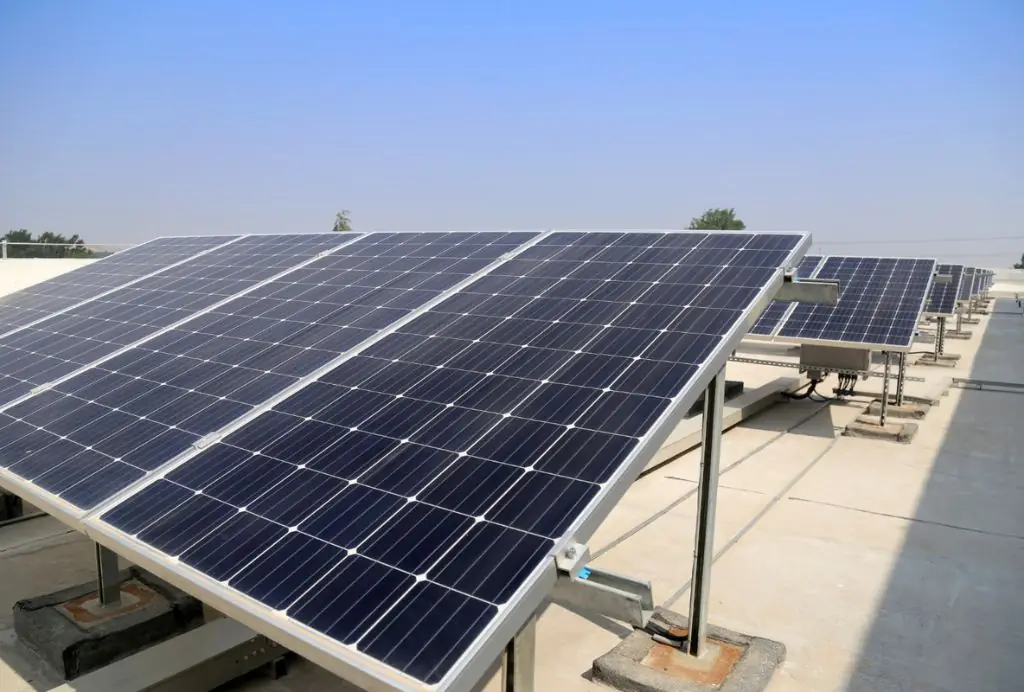
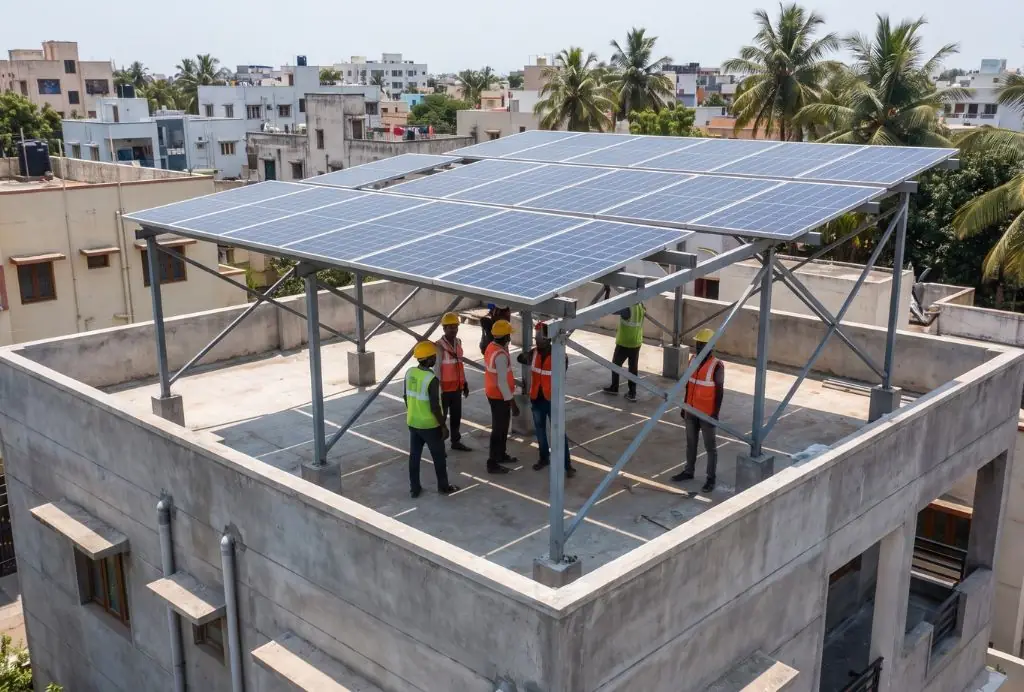
- It needs about 160 to 200 square feet of shadow-free roof, typically four panels of around 540 to 550 W.
- You can add the third kW later and claim the balance subsidy up to 3 kW under the scheme guidelines.
What a 2kW solar system costs in Chennai
Rooftop solar is priced per watt, and the per-watt price falls as systems get larger, because a share of the cost is fixed whatever the size: the net meter, the earthing and lightning protection, the structural design, the site visits and the paperwork.
That is why a 2 kW system costs a little more per watt than a 3 kW one. Where our 3 kW solar system price page works from about ₹70 a watt, a 2 kW system lands at about ₹70 a watt or slightly above.
The ranges move with the panel model, the structure height, cable runs and roof condition, which is why we quote after a site visit. See solar panel price in Chennai for the full breakdown, and audit a quote per watt before you compare quotations.
The ₹60,000 subsidy, and why it goes furthest at 2 kW
Under PM Surya Ghar the central subsidy is ₹30,000 per kW for the first 2 kW and ₹18,000 for the third, with nothing beyond 3 kW. So a 2 kW system receives the full ₹30,000 on every kilowatt: ₹60,000 in all. Our PM Surya Ghar subsidy guide explains the process.
In share-of-cost terms, that makes 2 kW the most heavily subsidised size. The subsidy covers about 40 percent of a 2 kW system, against a little under 40 percent of a 3 kW one.
Since 21 September 2026, Tamil Nadu adds a state top-up of ₹10,000 for a 2 kW system, taking the combined subsidy to ₹70,000. It covers homes registered on the PM Surya Ghar portal on or after 5 August 2026 and TEDA pays it directly.
The subsidy requires DCR panels, a vendor registered on the National Portal and a residential connection. See PM Surya Ghar eligibility and choose a registered vendor.
How much a 2kW system generates in Chennai
On a Chennai roof, each kilowatt produces roughly 1,730 units a year. A 2 kW system therefore produces:
Output is higher in the dry months and lower in the northeast monsoon from October to December. Net metering settles over the year, so the good months offset the poor ones.
That is just under the "300 units a month" figure PM Surya Ghar is associated with. See what the 300 free units really mean.
Is 2kW enough for your home?
Size to the units you use, not the bill amount, because the slab structure makes bills a poor guide. Look at the units on your last few bills.
- About 250 to 300 units a month, or 500 to 600 a bi-monthly cycle: 2 kW fits well.
- Above 350 units a month: 3 kW is usually the better choice, and the extra subsidy on the third kW helps.
- Below 200 units a month: 1 kW or 2 kW, depending on roof space and plans.
Also consider what is coming. An air conditioner, an EV or a family member working from home can add 100 units a month or more. If that is likely, 3 kW now is usually cheaper than adding capacity later. Our guide to how many solar panels a house needs and the solar calculator can help.
Capacity is capped at your sanctioned load; see solar capacity limit in Tamil Nadu.
2kW or 3kW: the honest comparison
For most Chennai households who can fit it, 3 kW is the better investment. The third kilowatt costs relatively little once the fixed costs are paid, it adds about 145 units a month, and it still attracts ₹18,000 of subsidy.
2 kW is the right answer when:
- Your consumption is genuinely low and likely to stay that way.
- Your roof has room for four panels but not six.
- Your budget is fixed and 2 kW is what it covers.
- You plan to add the third kW later.
If you install 2 kW now and add 1 kW later, the scheme guidelines allow the balance subsidy up to 3 kW overall on the added capacity. Keep the original commissioning documents.
What a 2kW installation includes
- Panels: four DCR modules of around 540 to 550 W, named by make and model.
- Inverter: a 2 kW grid-tied inverter.
- Structure: galvanised mounting, flush or elevated, designed for the coastal wind load.
- Balance of system: DC and AC distribution boxes, cables, earthing and a lightning arrester.
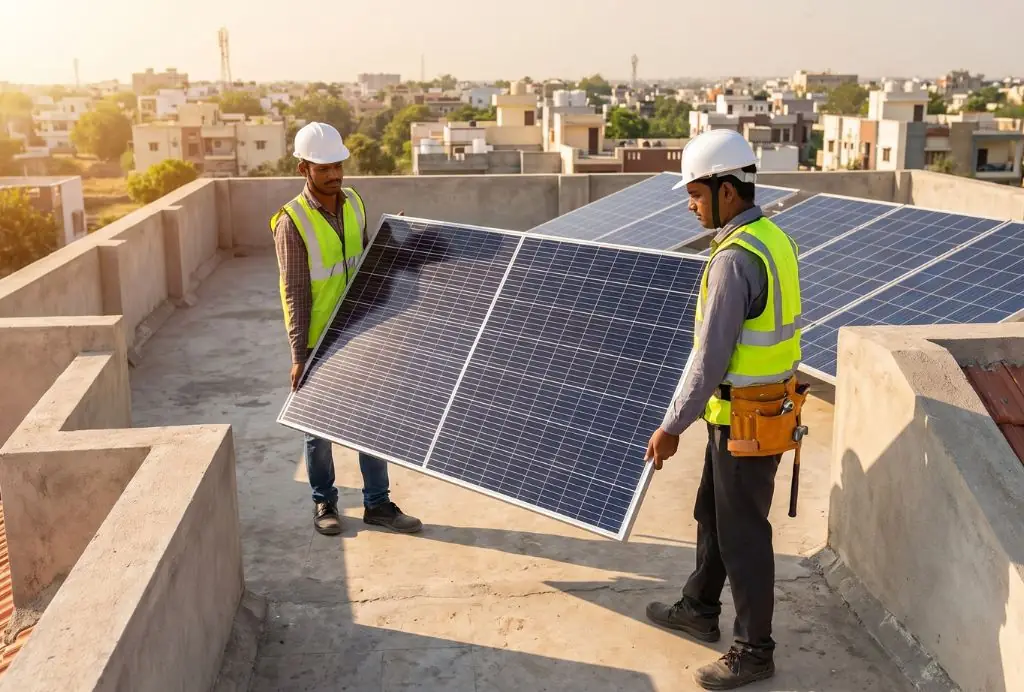
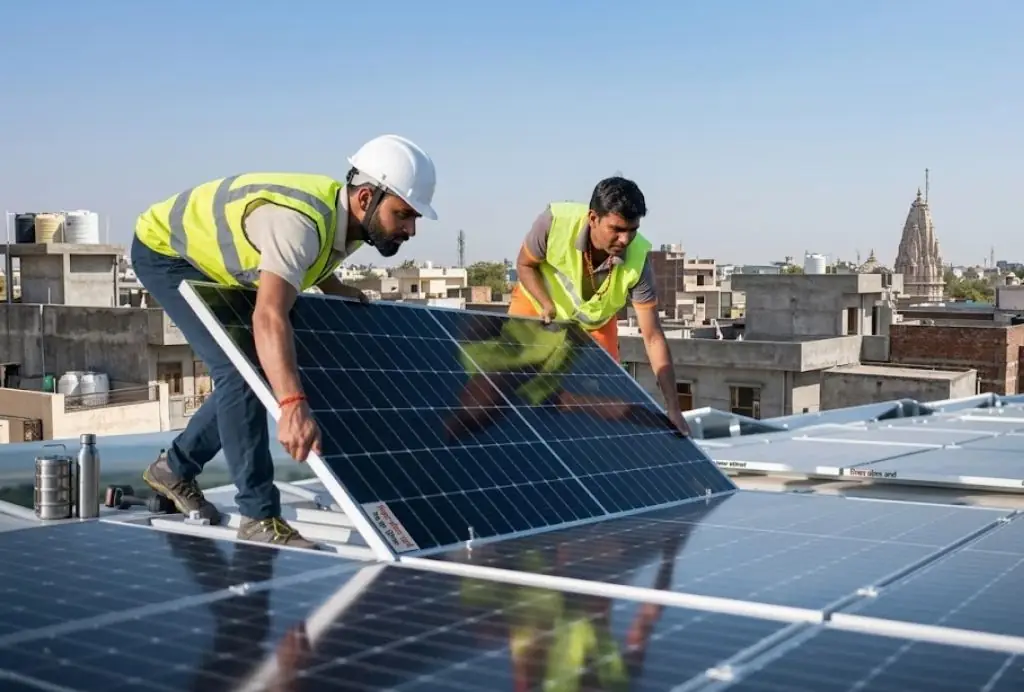
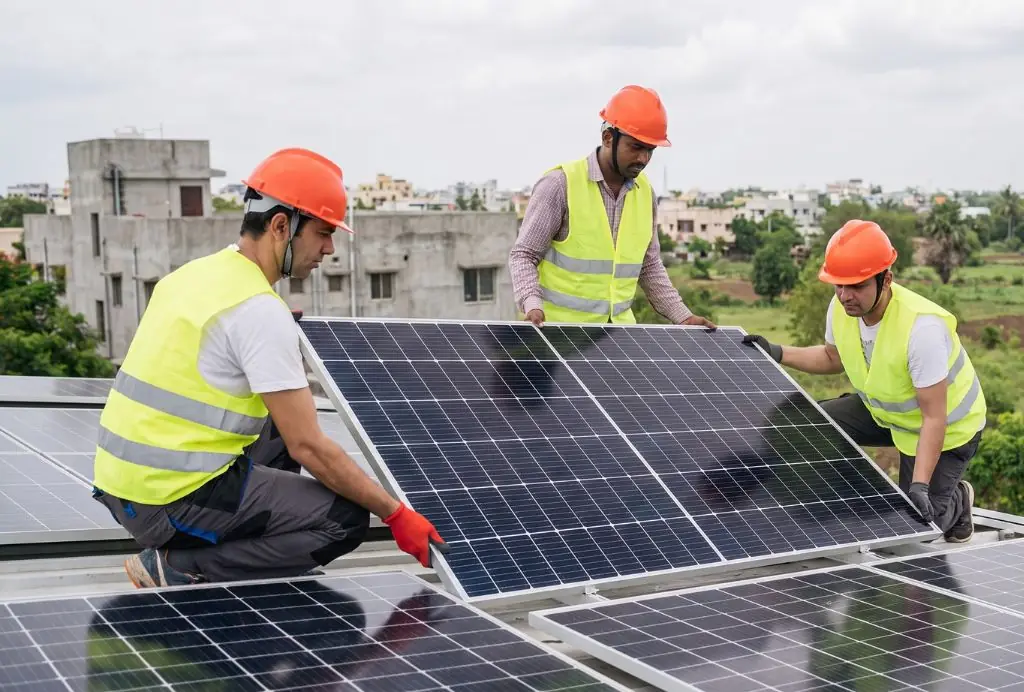
- Net meter and TANGEDCO connection, handled by the installer.
- Five years of comprehensive maintenance, required of every PM Surya Ghar vendor.
If you are paying in instalments, see solar loan EMI in Tamil Nadu. For what remains on the bill afterwards, see why your bill is not zero after solar.
Frequently asked questions
What is the price of a 2kW solar system in Chennai?
About ₹1.4 to ₹1.6 lakh before subsidy, around ₹70 a watt or slightly more. After the ₹60,000 PM Surya Ghar subsidy, roughly ₹80,000 to ₹1 lakh.
How much subsidy do I get on a 2kW solar system?
₹60,000 under PM Surya Ghar, which is ₹30,000 per kW on both kilowatts. Tamil Nadu adds ₹10,000 for 2 kW since 21 September 2026, for homes registered on the PM Surya Ghar portal on or after 5 August 2026, so the combined subsidy is ₹70,000.
How many units does a 2kW solar system generate per day in Chennai?
About 9.5 units a day on average, roughly 290 units a month or 3,460 a year.
How many panels are needed for a 2kW system?
Typically four modules of around 540 to 550 W.
How much roof space does a 2kW system need?
About 160 to 200 square feet of shadow-free roof.
Is 2kW or 3kW better for a home?
For homes using more than about 350 units a month, 3 kW. For homes using 250 to 300 units a month with limited roof space or budget, 2 kW. The third kW adds about 145 units a month and still attracts ₹18,000 of subsidy.
Can I upgrade from 2kW to 3kW later?
Yes, within your sanctioned load. The scheme guidelines allow the balance subsidy up to 3 kW overall on the added capacity.
Will a 2kW system make my electricity bill zero?
Usually not. Fixed charges remain, and low-generation months draw from the grid. It will cut the energy portion of the bill substantially if your use is around 290 units a month.
Get your 2kW price
Blues Renewables installs 2 kW and 3 kW systems across Chennai and Tamil Nadu with DCR panels, the PM Surya Ghar subsidy filed for you and the TANGEDCO net meter handled. Send us two recent electricity bills and we will tell you honestly whether 2 kW or 3 kW suits your home.
Call +91 98841 07170Sources
Ministry of New and Renewable Energy, Guidelines for PM-Surya Ghar: Muft Bijli Yojana, for the ₹30,000 and ₹18,000 per kW subsidy, the 3 kW ceiling, and the balance subsidy on pre-existing systems
Blues Renewables generation records, Chennai rooftops, for about 1,730 units per kW a year
Blues Renewables installed pricing, Chennai, for the per-watt band by system size
DT Next and Saur Energy, August 2026, on the Tamil Nadu rooftop solar top-up announced in the revised budget