



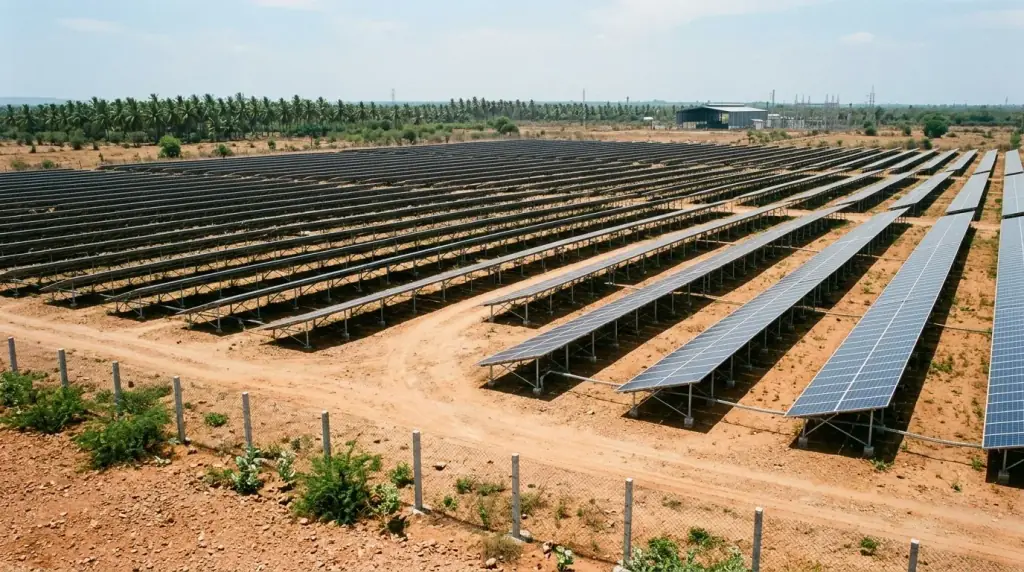
Solar Panel Installation in Thoothukudi
Thoothukudi has among the best solar resource in Tamil Nadu and among the harshest environments to install into. Strong irradiance, high wind, marine air and port dust all in one place. The generation is excellent. The specification cannot be casual.
Installing across Tamil Nadu since 2020
Two years free maintenance included
Subsidy and TANGEDCO paperwork filed by us
Free site survey and energy audit, no obligation
What changes where
Pick what applies to your site
Marine atmosphere
IEC 61701 certified modules and galvanised structures with coating thickness specified for a coastal site.
Six of the things that change a design in Thoothukudi. We confirm which apply at the survey.
The short answer
Solar installation in Thoothukudi
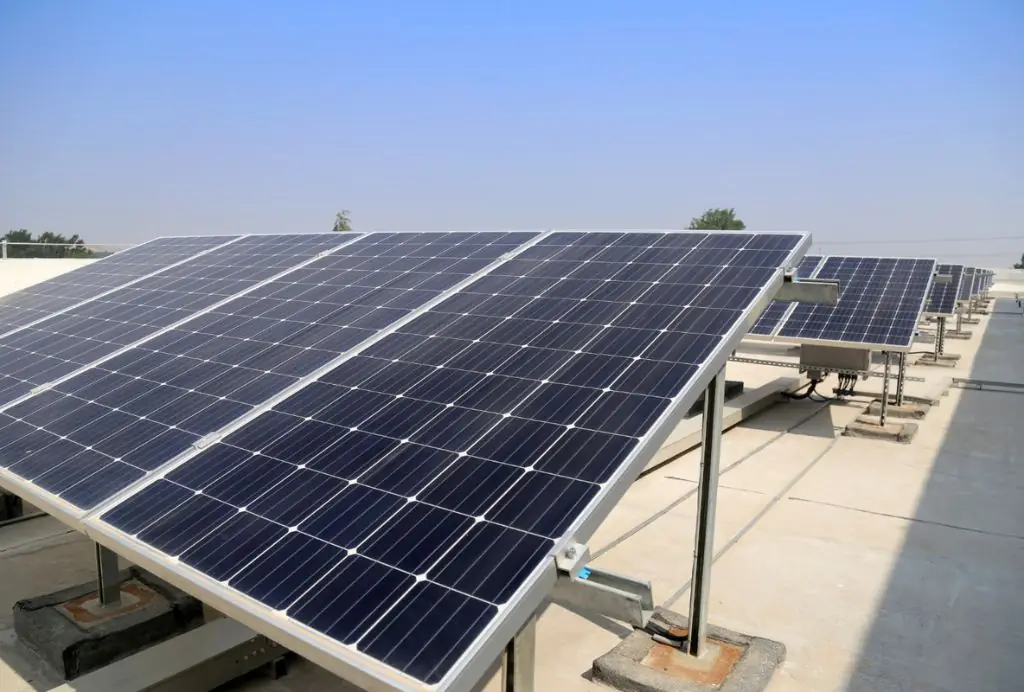
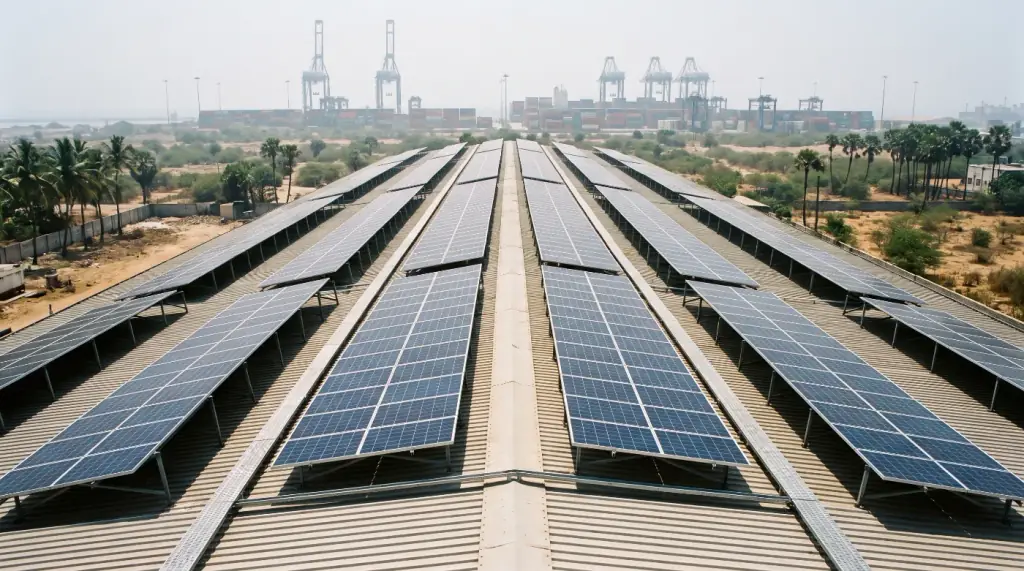
Blues Renewables delivers commercial and industrial solar EPC and solar lighting across Thoothukudi. The district has among the strongest solar resource in Tamil Nadu, and also among the most demanding installation conditions, combining marine atmosphere, high wind exposure and airborne particulate from port and bulk cargo activity. Specification and maintenance both need to reflect that. For a residential benchmark, the solar panel price in Chennai lists installed costs from 3 kW to 10 kW, and our solar panel installation in Chennai page shows the survey-first process we also bring to Thoothukudi.
The local picture
Excellent resource, demanding conditions
The southern coastal districts receive among the highest solar irradiance in Tamil Nadu, which means generation per kilowatt installed is at the strong end of the state range. The same location brings marine atmosphere, sustained wind exposure and airborne particulate from port operations, all of which shorten the life of an inadequately specified installation and reduce the output of an inadequately maintained one.
What the environment requires
IEC 61701 salt mist corrosion certified modules
Verifiable on the datasheet rather than taken on assurance.
Hot dip galvanised structures with appropriate coating thickness
Specified for a marine environment rather than the standard used inland. Coating thickness is the specification most often quietly reduced.
Corrosion-resistant fasteners
Which fail before structural sections do.
Wind design to the actual zone
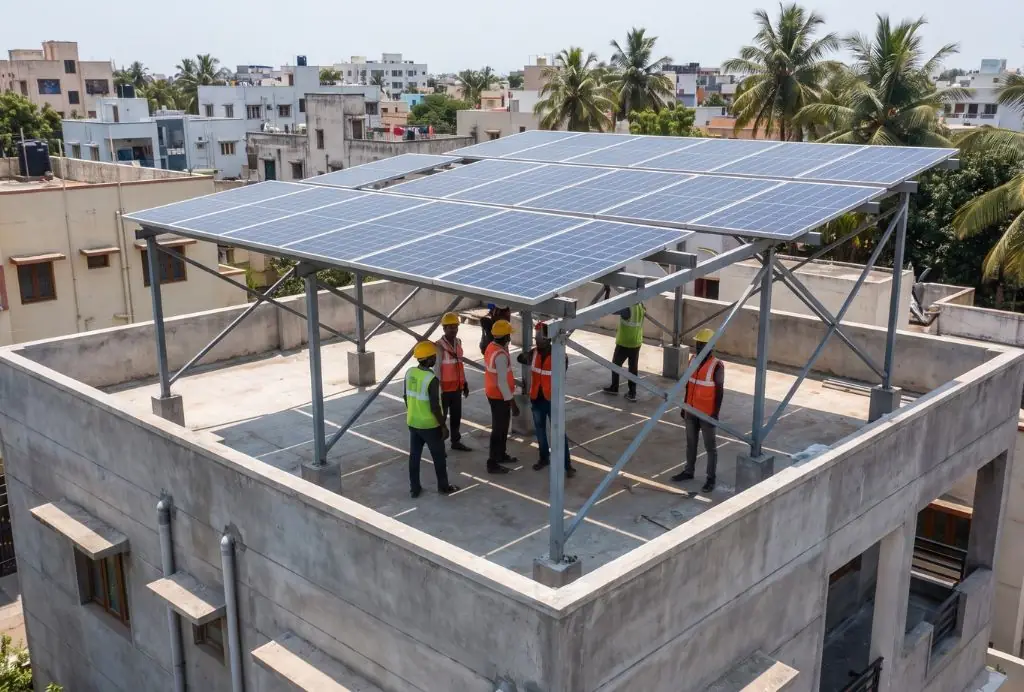
The coastal districts sit in a high basic wind speed zone under IS 875 Part 3 with a cyclone importance factor applied. Wind uplift, not panel weight, is the governing force, and edge and corner zones need heavier fixing than the array centre.
Sealed and appropriately rated enclosures
For inverters and protection equipment, sited away from direct marine exposure where the building allows.
The operating cost most often understated
Soiling from port and bulk cargo activity
Airborne particulate combined with salt deposition soils panels faster than at inland sites. Cleaning frequency has to match the location rather than a standard schedule, and the array layout should preserve access routes so cleaning is practical rather than theoretical. A proposal assuming a standard cleaning schedule and standard structures here is understating both the capital and the running cost.
Part of the arrangement, not an extra
Post-storm inspection
Fixings checked, structure examined for movement, panels inspected for damage and generation compared against the benchmark set at handover, even when nothing looks obviously wrong. The commercial fundamentals are as elsewhere: net feed-in for non-domestic consumers, energy charges rather than demand charges, and depreciation requiring taxable profit.
Our work
What we do in Thoothukudi
Quick estimate
What size system does your bill suggest?
System size
5.5 kW
Indicative cost
₹2.90 L to ₹3.33 L
PM Surya Ghar subsidy
₹78,000
Monthly saving
₹5,400
Simple payback
3.5 yrs
Indicative only, at roughly 4.2 units per kW per day and a blended domestic tariff. The state rooftop calculator run by TNGECL uses about 1,780 units per kW a year for Thoothukudi, about 4.9 a day. Your roof, shading and sanctioned load set the real figure.
Get the real number →Port related and heavy industry
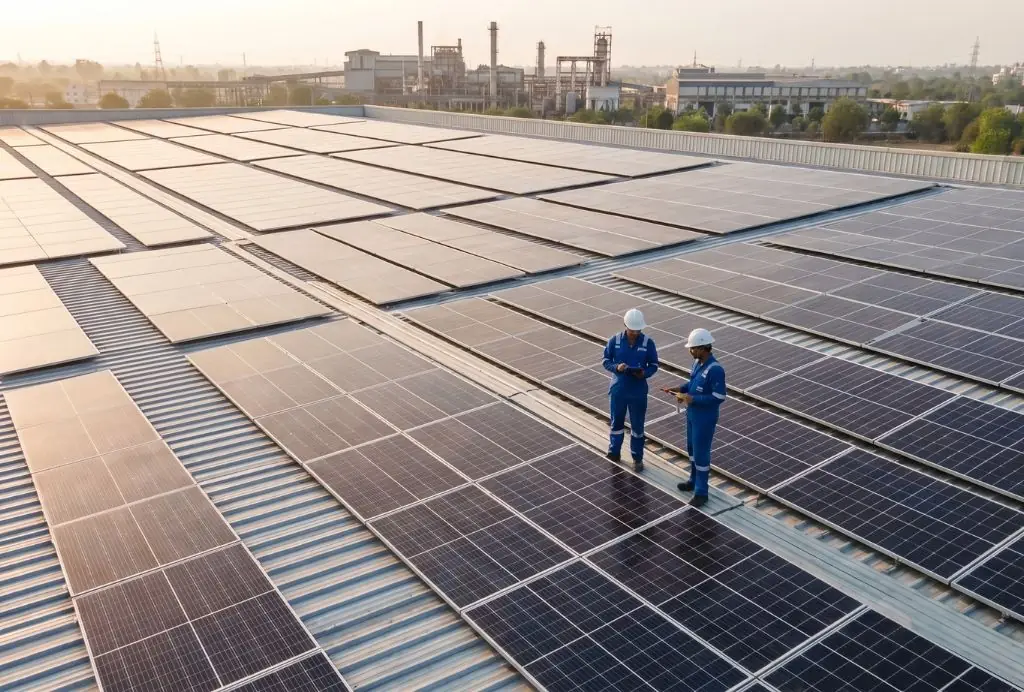
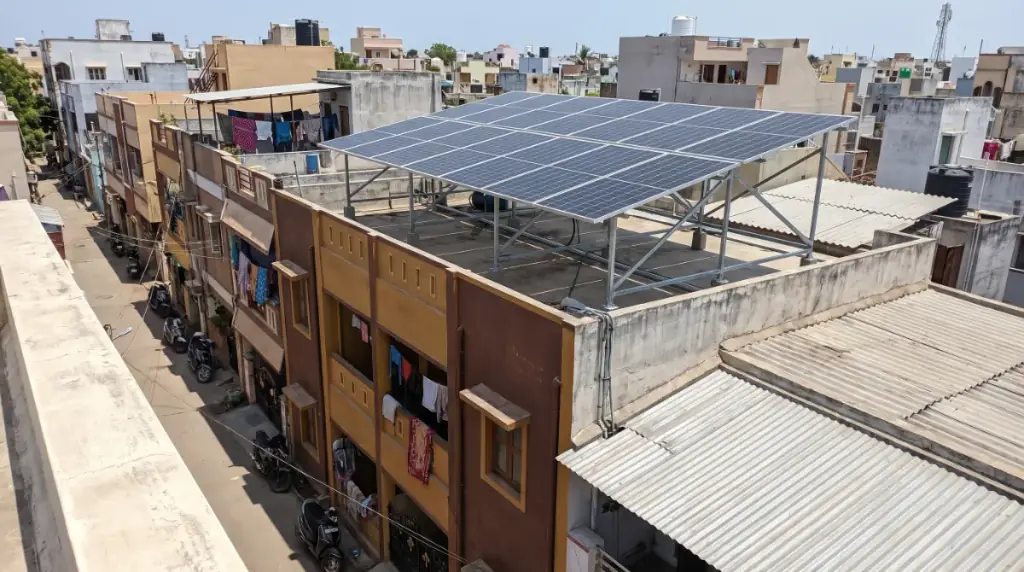
Large sheet roofs and HT connections in the most demanding corrosion and soiling environment in the state.
Chemicals and processing
Continuous loads where solar addresses the daytime portion, with specification reflecting the atmosphere.
Warehousing and logistics
Large roofs relative to load, so sizing to daytime self-consumption matters more than filling the roof.
Commercial and institutional
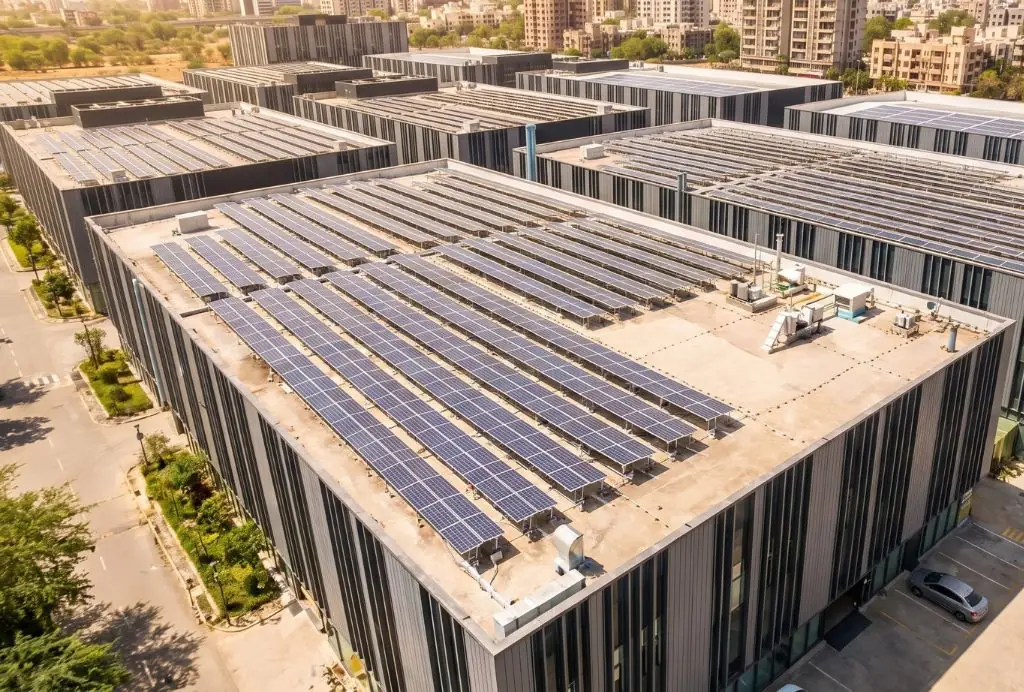
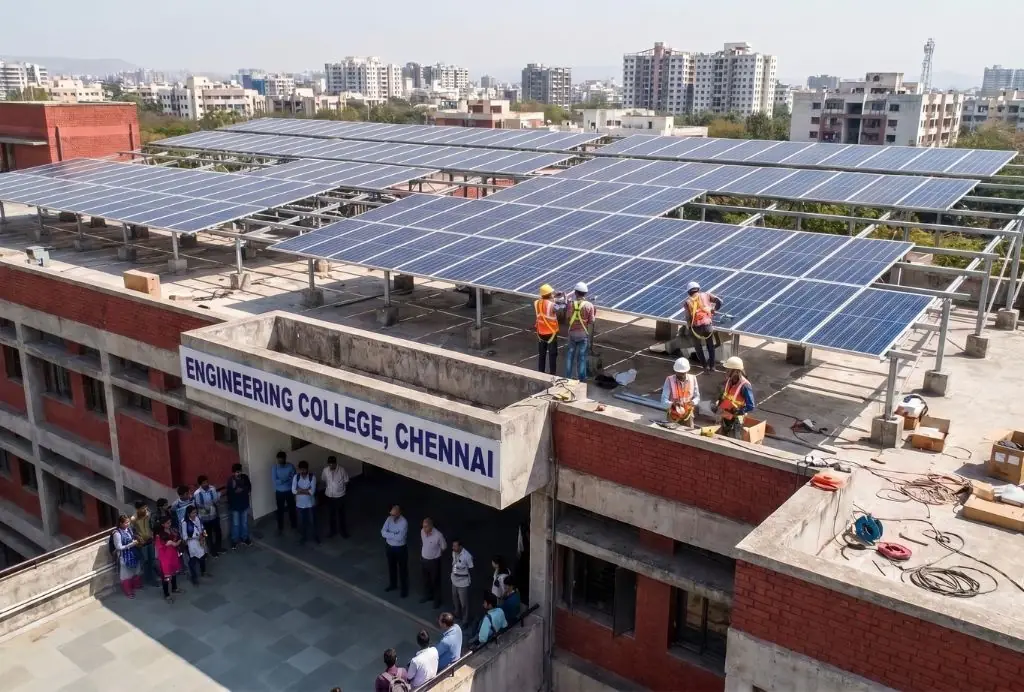
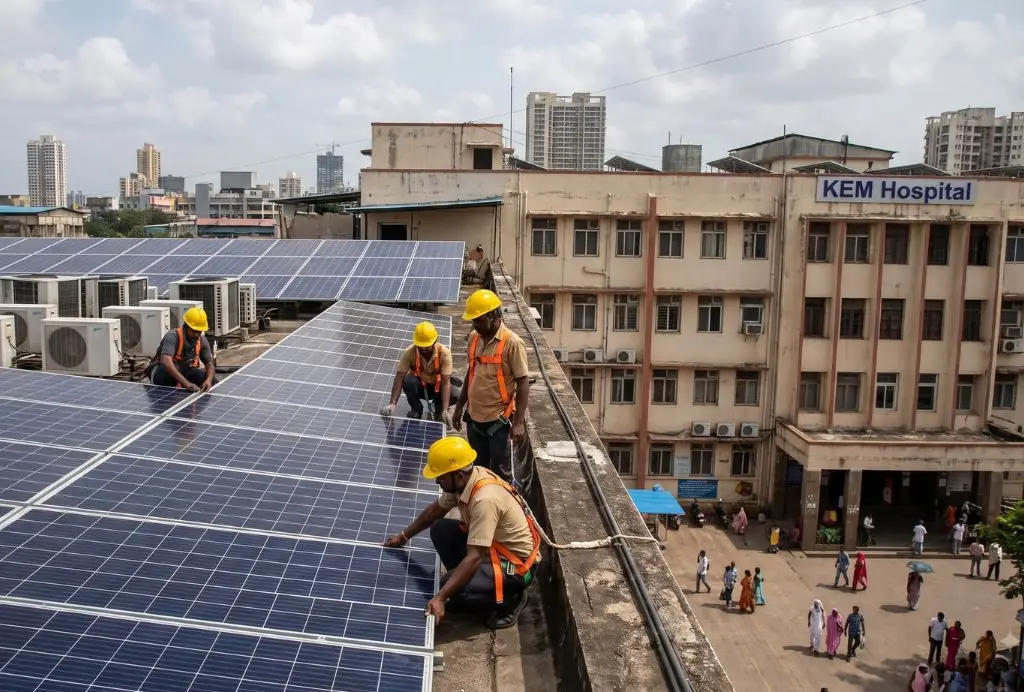
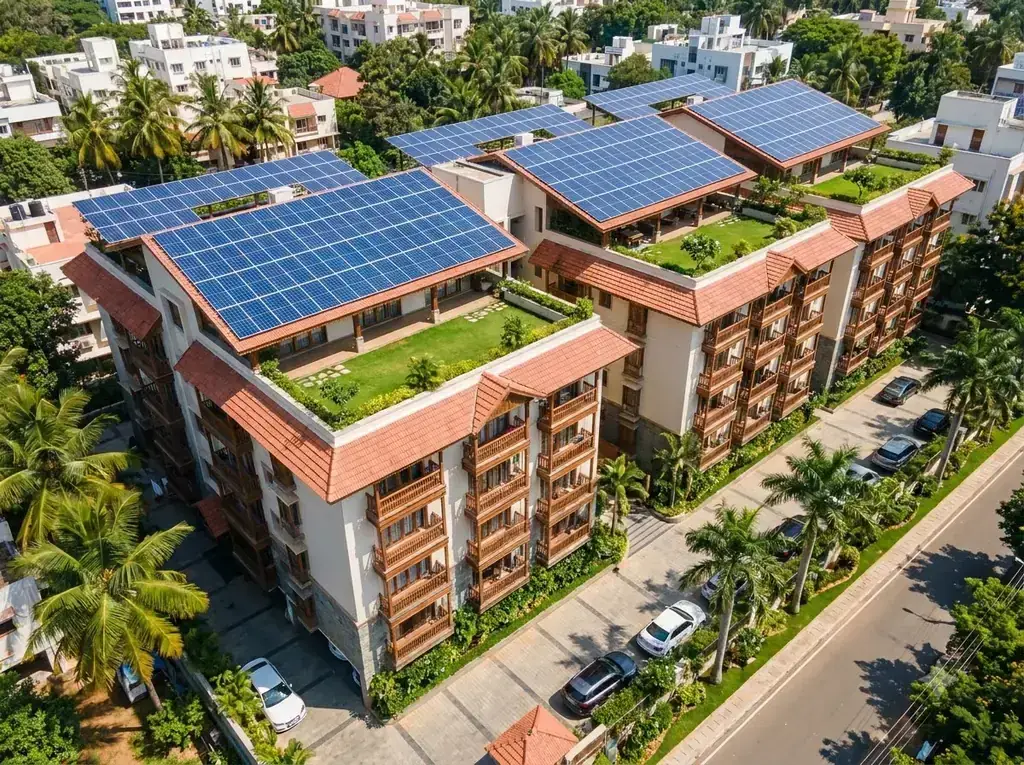
Offices, hospitals, colleges and hotels across the district, where the resource is strong and the case straightforward.
Solar street and area lighting
Panchayats, industrial estates and campuses across the district, with the same corrosion specification applied to poles and fittings. Projects from 50 units.
What we install
Services and guides
Looking for a different district? See everywhere we work across Tamil Nadu.
Free, no obligation
Book a free assessment in Thoothukudi
Send us your last twelve months of electricity bills. For a business or industrial site we will run a load profile analysis first, because that determines what solar can actually offset and your roof only constrains it.
Common questions
Solar in Thoothukudi, common questions
Is Thoothukudi a good location for solar?
The solar resource is among the strongest in Tamil Nadu, so generation per kilowatt installed is at the high end of the state range. What the location demands in return is a proper corrosion specification and a cleaning schedule matched to the environment, both of which should be reflected in the proposal.
What corrosion specification does the coast here need?
IEC 61701 salt mist certified modules, hot dip galvanised structures with appropriate coating thickness specified for a marine environment, and corrosion-resistant fasteners. Coating thickness is the specification most often quietly reduced, and it is worth asking what has been specified and why.
How often will panels need cleaning?
More often than at inland sites, because port and bulk cargo activity generates airborne particulate that combines with salt deposition. The exact interval depends on your specific location. What matters is that the maintenance arrangement states it explicitly and the array layout preserves access so cleaning is practical.
How is wind loading handled on a coastal roof?
By designing to the applicable wind speed for the location rather than to a standard detail. The coastal districts sit in a high basic wind speed zone with a cyclone importance factor applied, wind uplift rather than panel weight is the governing force, and roof edge and corner zones need heavier fixing than the array centre.
Should systems be inspected after a cyclone?
Yes, and it should be part of the maintenance arrangement rather than an optional extra. Fixings checked, structure examined for movement, panels inspected for damage and generation compared against the benchmark set at handover, even when nothing looks obviously wrong.
Do you supply solar street lighting in Thoothukudi district?
Yes, across the district, with the same corrosion specification applied to poles and fittings as to rooftop structures. Street lights from 100W to 400W on GI powder-coated poles, requiring no cabling, meter or connection. Projects start from 50 units.