
Solar Panel Installation in Salem
Salem’s heaviest industries consume more electricity than any rooftop can meaningfully offset, and pretending otherwise helps nobody. Where solar earns its place here is on the medium-sized units, the processing operations and the institutional and commercial buildings, and on the portion of a large plant’s bill that rooftop can genuinely reach.
Installing across Tamil Nadu since 2020
Two years free maintenance included
Subsidy and TANGEDCO paperwork filed by us
Free site survey and energy audit, no obligation
What changes where
Pick what applies to your site
Steel or heavy metals
Rooftop offsets a small proportion of a load this size. We say so plainly rather than overstating it.
Six of the things that change a design in Salem. We confirm which apply at the survey.
The short answer
Solar installation in Salem
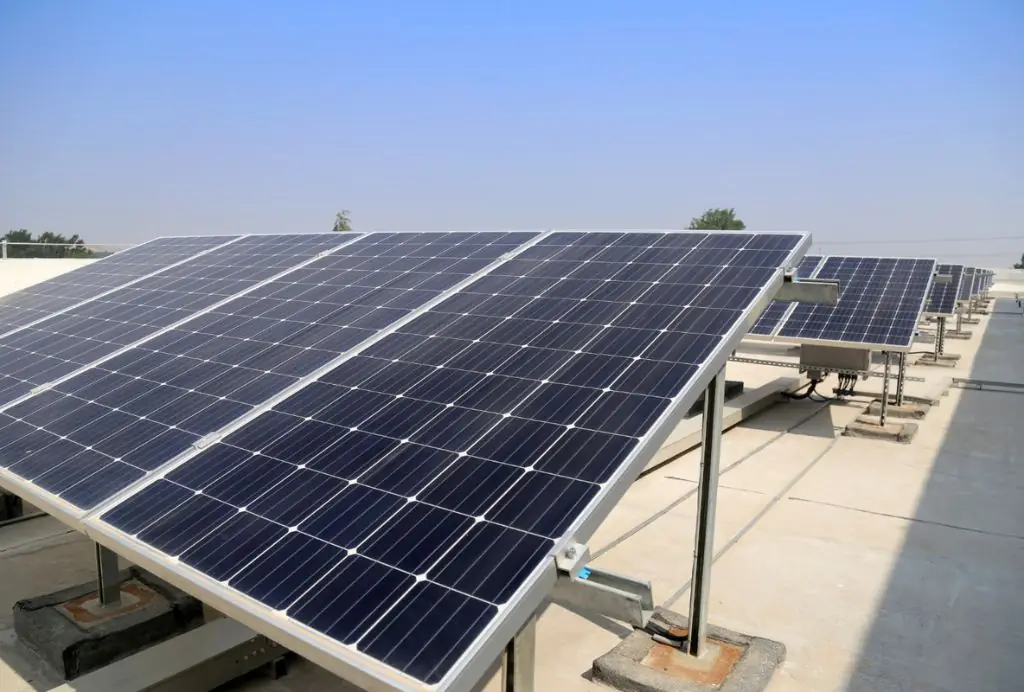
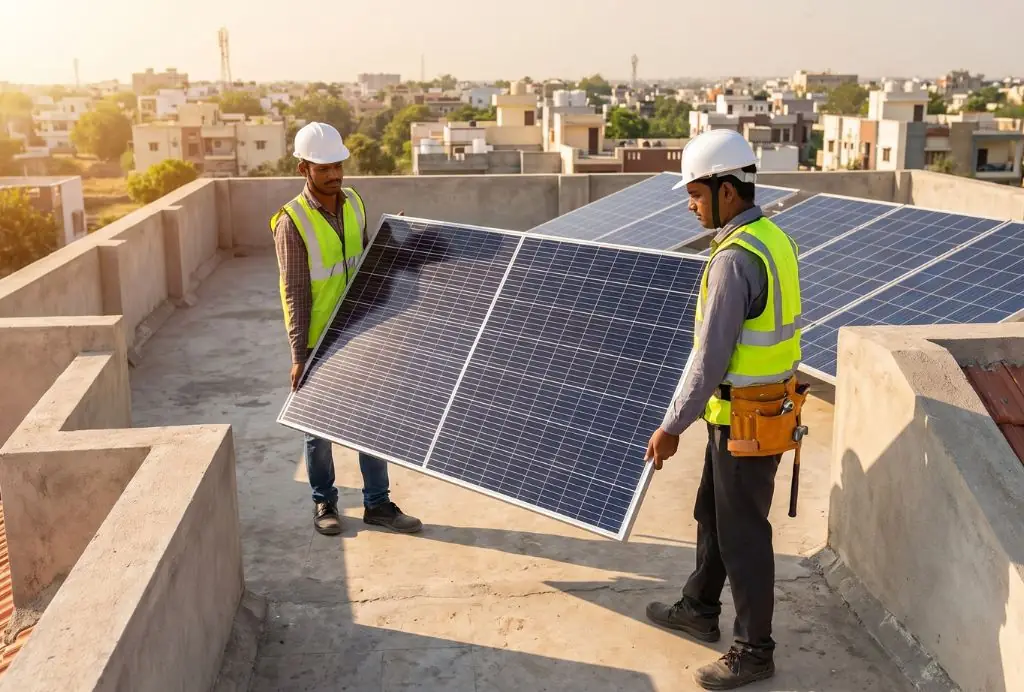
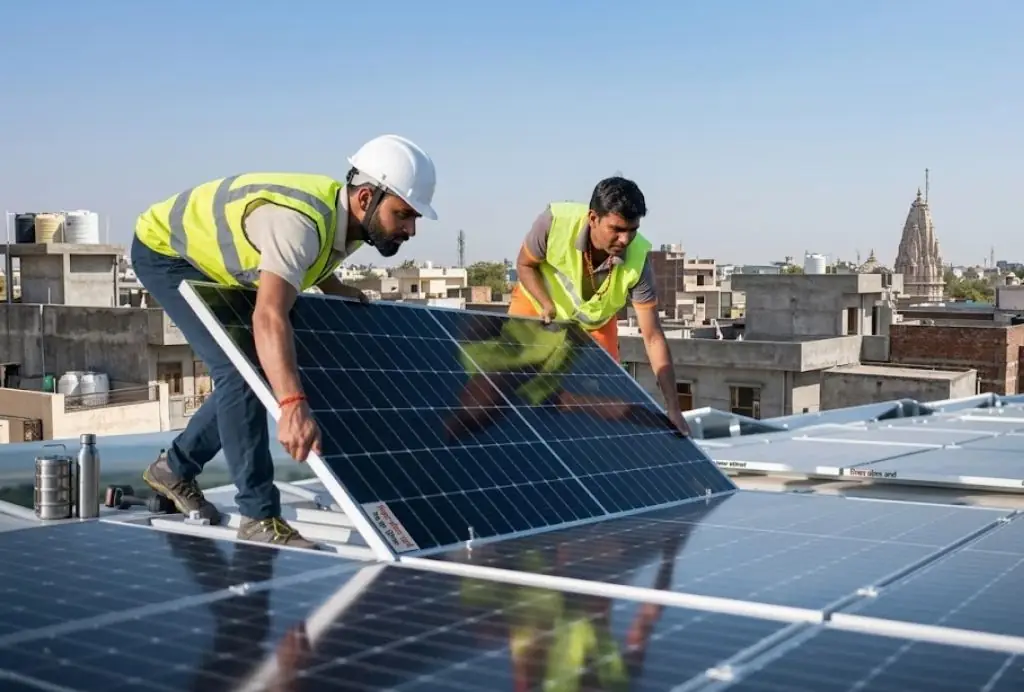
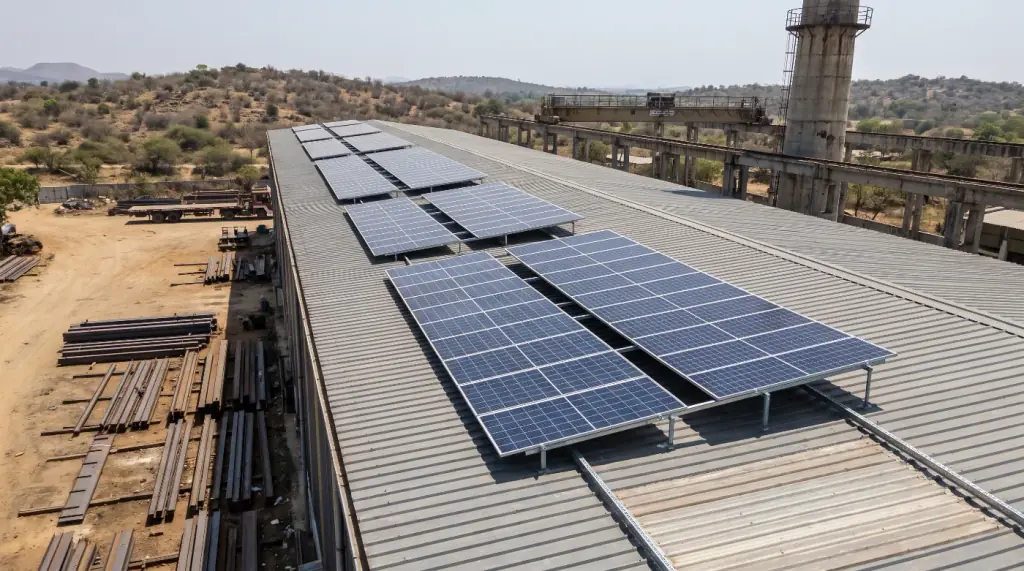
Blues Renewables delivers commercial and industrial solar EPC and solar lighting across Salem district. The region’s steel and metals operations, foundries, sago processing units, textile and powerloom clusters and institutional premises have widely varying load profiles, and we start with a load profile analysis rather than a roof measurement so the proposal reflects what solar can actually offset. For a residential benchmark, the solar panel price in Chennai lists installed costs from 3 kW to 10 kW, and our solar panel installation in Chennai page shows the survey-first process we also bring to Salem.
The local picture
When the load is bigger than the roof can answer
Heavy metals processing consumes electricity at a scale that rooftop solar cannot meaningfully address. A steel or foundry operation with substantial contract demand will find that even a fully covered roof offsets a small percentage of consumption. That does not make solar pointless, but it does mean the proposal should be honest about proportion, and it means the interesting conversation for the largest consumers is usually about open access or group captive rather than about roof area.
Being straight about scale
For the heaviest consumers
Rooftop offsets a small share of the bill. It is still a positive return on the capital, but it is not a solution to the energy cost, and any proposal implying otherwise has not modelled the connection.
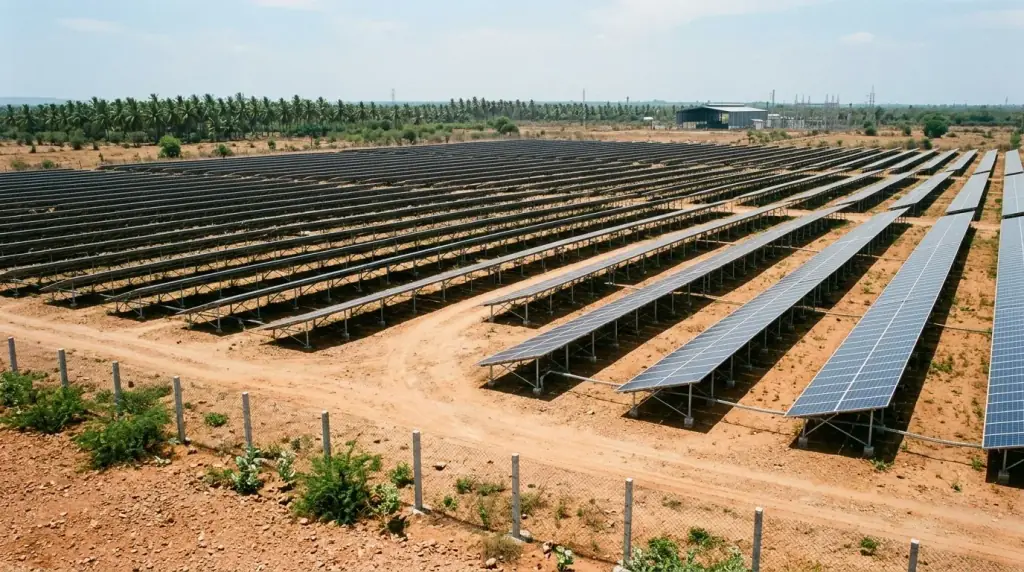
Ground-mount on available land
Extends what is possible where land exists, and on larger industrial holdings that can be meaningful.
Open access and group captive structures
Are where demand of that scale is genuinely addressed, involving wheeling charges, banking arrangements and regulatory approvals that need legal and financial advice rather than a solar vendor’s summary. We will tell you when that is the right conversation.
For medium units and processing operations
Rooftop can offset a substantial share and the case is straightforward.
Two commercial points across all of them
Net feed-in, and demand charges
Non-domestic consumers are generally on net feed-in rather than one-for-one net metering, so exported units earn well below the tariff paid on imports, which means sizing to daytime self-consumption. And solar reduces the energy charge but not the demand charge, which on a heavy industrial connection is a very substantial part of the bill.
Check it with your auditor first
Accelerated depreciation needs taxable profit
Up to 40% in the first year is available to businesses with profit to offset. For units running at thin margins or carrying losses, an OPEX or RESCO structure frequently compares better than ownership.
Our work
What we do in Salem
Quick estimate
What size system does your bill suggest?
System size
5.5 kW
Indicative cost
₹2.90 L to ₹3.33 L
PM Surya Ghar subsidy
₹78,000
Monthly saving
₹5,400
Simple payback
3.5 yrs
Indicative only, at roughly 4.2 units per kW per day and a blended domestic tariff. The state rooftop calculator run by TNGECL uses about 1,700 units per kW a year for Salem, about 4.7 a day. Your roof, shading and sanctioned load set the real figure.
Get the real number →Medium industry and processing
Sago, food processing, powerloom and textile units where rooftop can offset a substantial share of daytime consumption.
Heavy metals and foundries
Honest proportional assessment, with ground-mount considered where land is available and open access flagged where the load genuinely calls for it.
Commercial and institutional
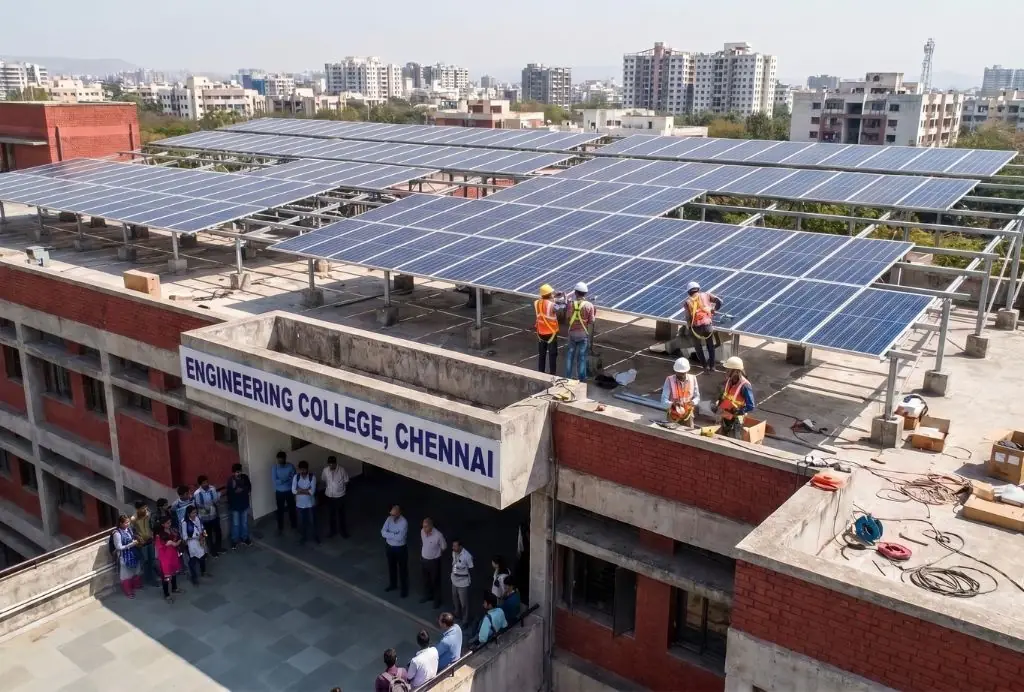
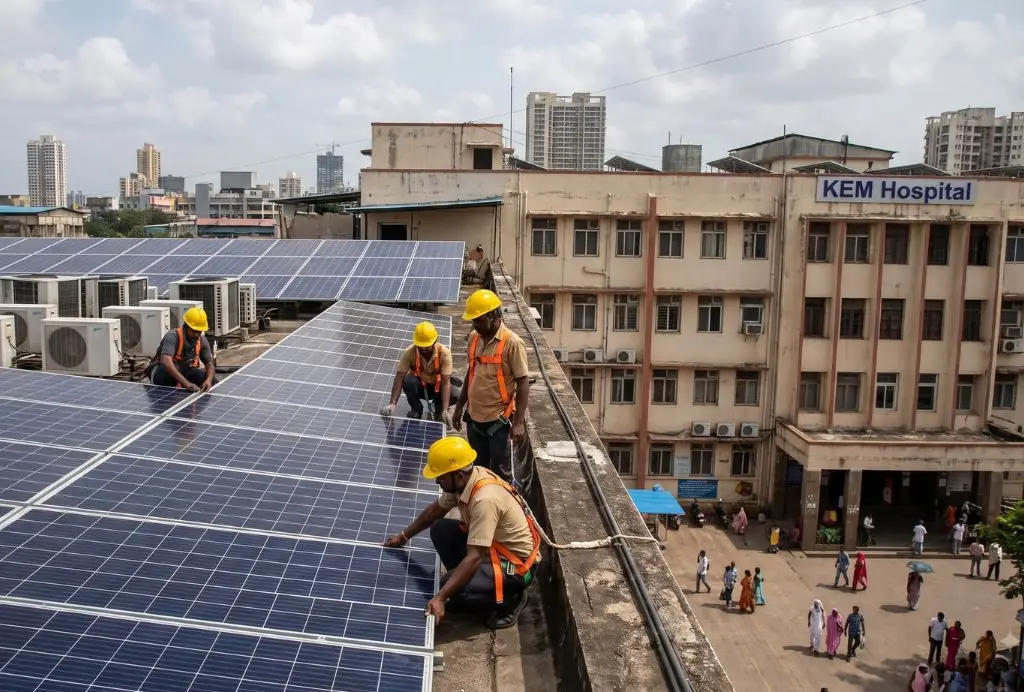
Offices, colleges, hospitals and hotels, where daytime load matches generation closely and the case is straightforward.
Solar street and area lighting
Panchayats, industrial estates, campuses and gated communities across the district. Projects from 50 units.
What we install
Services and guides
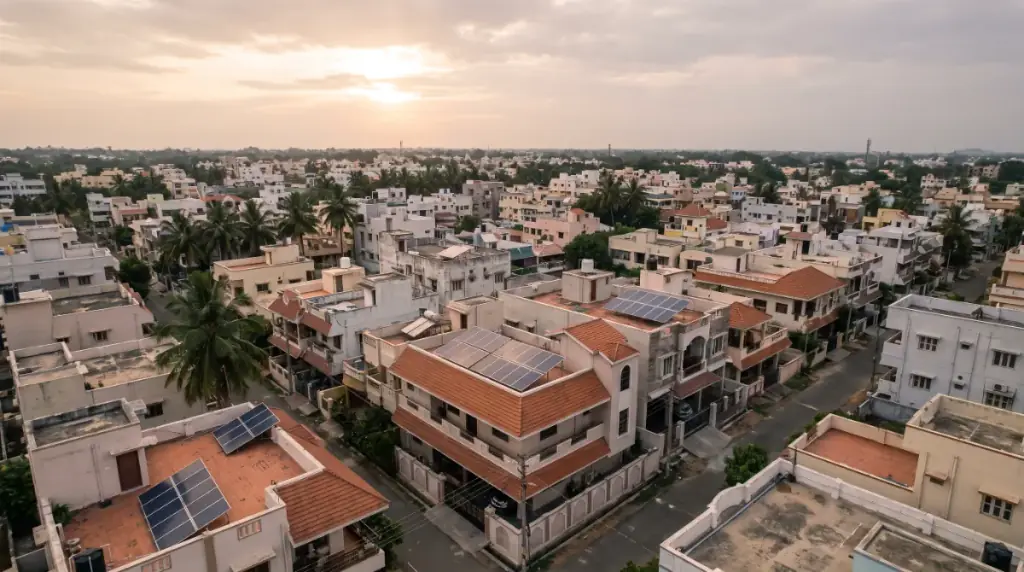
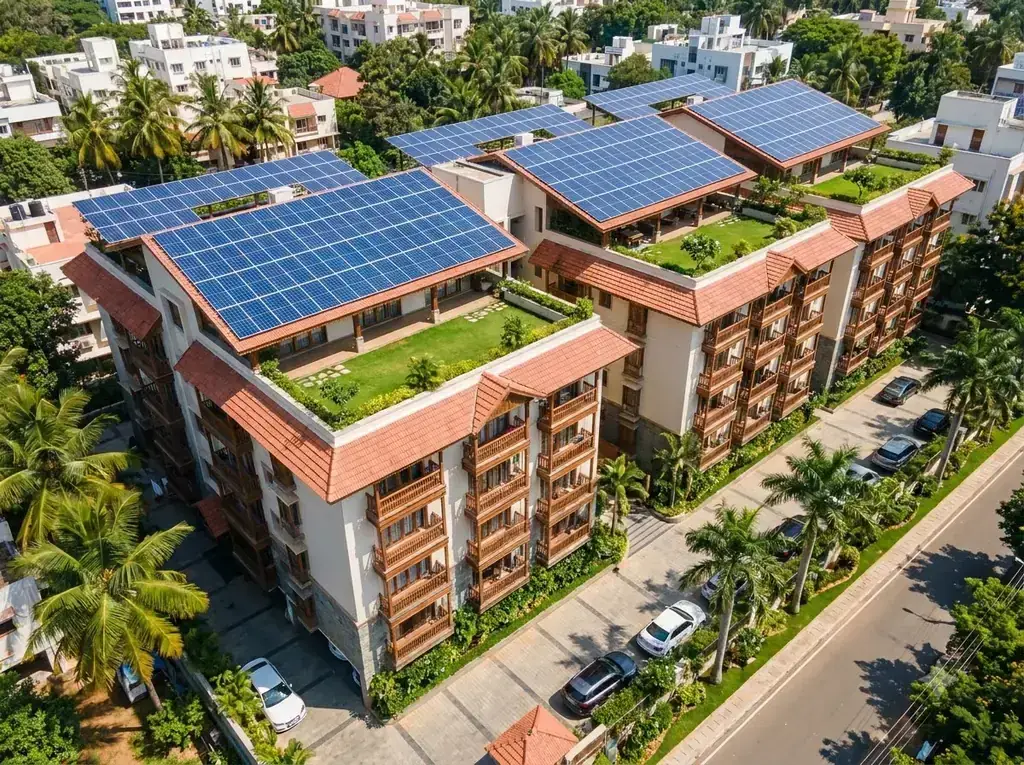
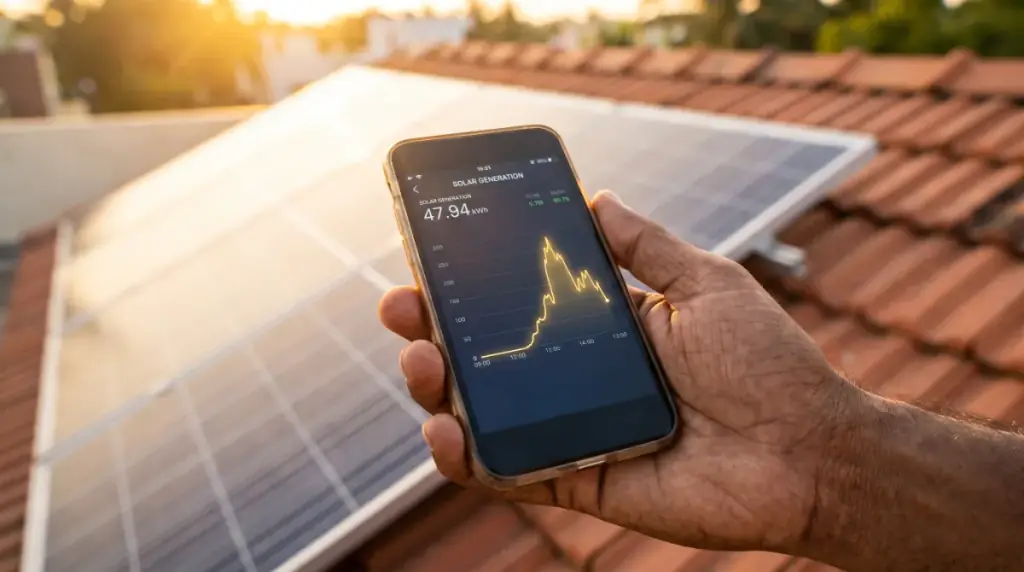
Looking for a different district? See everywhere we work across Tamil Nadu.
Free, no obligation
Book a free assessment in Salem
Send us your last twelve months of electricity bills. For a business or industrial site we will run a load profile analysis first, because that determines what solar can actually offset and your roof only constrains it.
Common questions
Solar in Salem, common questions
Can rooftop solar cover a steel plant’s electricity bill?
No, and we would rather say so. Heavy metals processing consumes at a scale where even a fully covered roof offsets a small percentage. It is still a positive return on the capital, but it is not a solution to your energy cost. For demand at that scale, open access or group captive structures are the honest conversation.
When is ground-mount worth considering here?
Where the site holds usable land alongside the buildings. A ground-mount array can be tilted and oriented optimally rather than following a roof, with easier maintenance access, and on larger industrial holdings it can add meaningful capacity beyond what the roof allows. It costs more in foundations and civil work.
Will solar reduce our demand charges?
No. Demand charges are levied on contract or recorded maximum demand, which on a heavy industrial connection is a very substantial part of the bill and can peak regardless of what the array is doing. Solar reduces the energy charge on units generated during daylight hours.
Is solar worth it for a medium sized processing unit?
Frequently yes. Sago, food processing, powerloom and similar operations have moderate, day-weighted loads where rooftop can offset a substantial share of daytime consumption, and commercial tariffs make each displaced unit worth more than a domestic one.
Should we own the system or use an OPEX structure?
It depends on your tax position more than your capital. Accelerated depreciation of up to 40% in the first year only helps a business with taxable profit to offset, so a unit carrying losses gains little from ownership. In that case an OPEX or RESCO arrangement often compares better. Check with your auditor.
Do you supply solar street lighting in Salem district?
Yes, across the district for panchayats, local bodies, industrial estates, campuses and gated communities. Street lights from 100W to 400W on GI powder-coated poles, requiring no cabling, meter or connection application. Projects start from 50 units.